The Hidden Growth of God's Kingdom
Understanding Spiritual Progress
There's something profoundly mysterious about growth. Whether we're watching a seed transform into a towering plant or observing our own spiritual journey, the process often unfolds in ways we can't fully explain. This mystery lies at the heart of understanding what Scripture calls the kingdom of God—a spiritual reality that operates by principles quite different from the kingdoms of this world.
The Kingdom That Grows While We Sleep
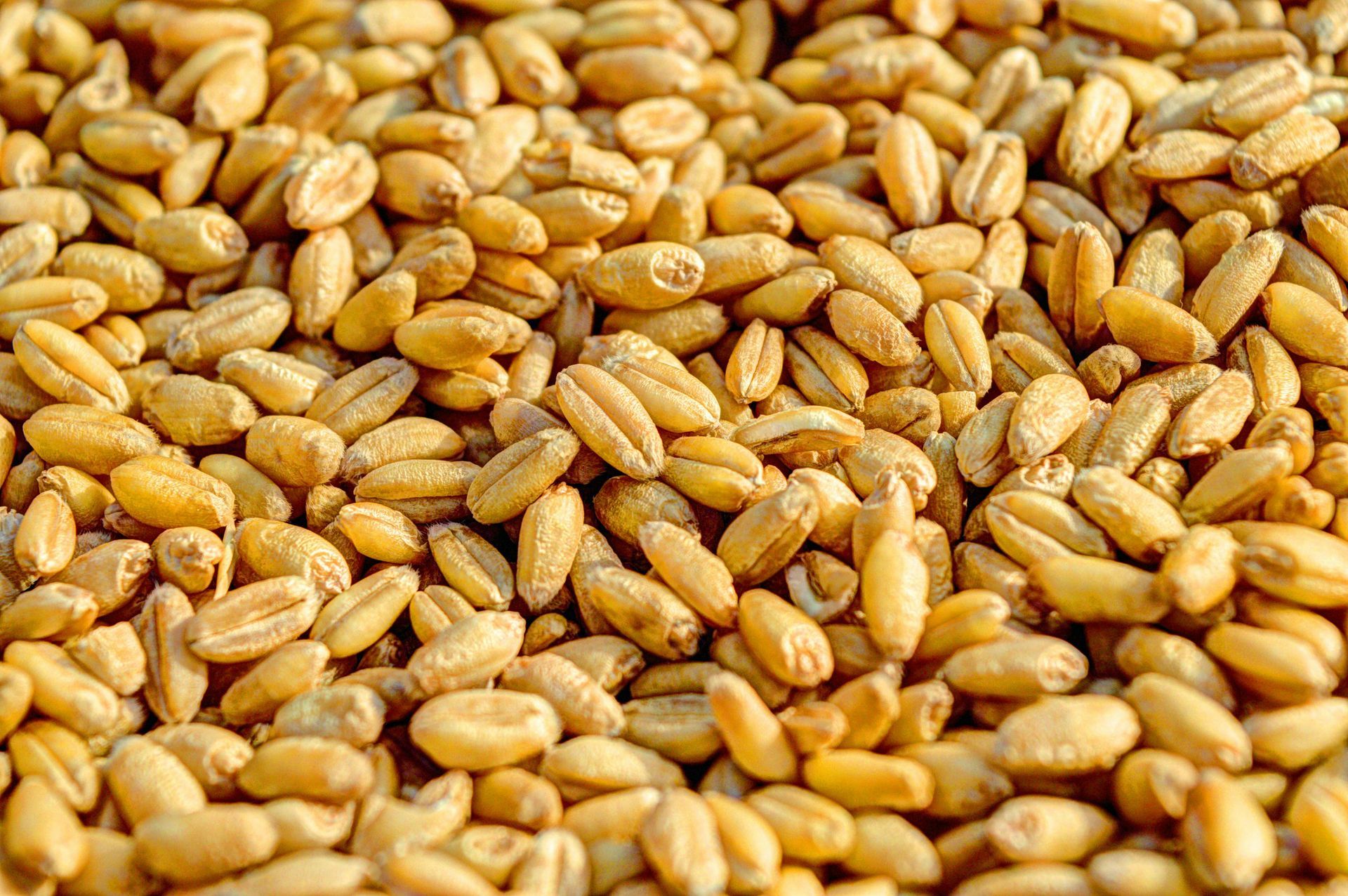
In Mark chapter 4, Jesus paints a vivid picture of the kingdom of God through a simple agricultural metaphor. A farmer scatters seed on the ground, then goes about his daily routine—sleeping at night, rising in the morning. Day after day passes, and somehow, mysteriously, the seed sprouts and grows. The farmer doesn't understand the mechanics of it all. He doesn't make it happen. Yet growth occurs nonetheless.
This parable reveals a fundamental truth about spiritual life: we cannot produce spiritual fruit; we can only bear it.
Think about that distinction carefully. You cannot manufacture patience in your life through sheer willpower. You cannot generate joy by trying harder. You cannot produce gentleness, kindness, or faithfulness through self-effort alone. These qualities are fruit—the natural result of a healthy spiritual life rooted in God's kingdom. Your responsibility isn't to produce them but to position yourself to bear what God produces.
The Gradual Nature of Spiritual Growth
Our culture loves instant results. We want microwave spirituality—quick transformation with minimal waiting. But the kingdom of God doesn't work that way. Growth is gradual, not immediate.
No farmer plants corn and expects full stalks the next morning. The process takes time. First comes the blade, then the ear, and finally the full corn in the ear. Each stage is necessary. Each phase has its purpose.
The same principle applies to our spiritual lives. When we first encounter God's truth, it plants seeds in our hearts. Those seeds need time to germinate, take root, and grow. The transformation happens day by day, often imperceptibly. You might not notice yourself becoming more patient this week compared to last week, but if you look back over years, the change becomes undeniable.
Second Peter 3:18 offers this simple yet profound instruction: "Grow in grace and in the knowledge of our Lord and Savior Jesus Christ." This growth is a lifelong process. It continues until God calls us home. There's no graduation ceremony in this life where we receive our diploma and stop growing.
The Paradox of Small Beginnings
Jesus offers another parable about the kingdom—this time involving a mustard seed. In the agricultural context of first-century Palestine, the mustard seed was proverbially the smallest of all seeds. You could barely see it. Compared to other seeds, it seemed insignificant, almost negligible.
Yet when planted, this tiny seed grows into something remarkable—an herb so large that birds can nest in its branches and find shelter under its shadow.
This is the paradox of God's kingdom: the smallest seed produces the greatest growth.
In a world that values size, influence, and immediate impact, God's kingdom often appears small and insignificant. A faithful remnant of believers scattered across the earth might seem inconsequential compared to the massive systems and structures of worldly power. But appearances deceive.
The spiritual kingdom that begins with the smallest seed of faith in a human heart will one day become the greatest kingdom this earth has ever known. When Christ returns and establishes His reign, every knee will bow and every tongue confess that He is Lord. What seems small now is actually part of something infinitely greater.
What Is This Kingdom, Anyway?
Romans 14:17 provides clarity: "For the kingdom of God is not meat and drink, but righteousness and peace and joy in the Holy Ghost."
The kingdom of God isn't about physical things—what we eat or drink, the clothes we wear, the buildings we occupy. It's fundamentally spiritual. It consists of righteousness (right standing with God), peace (wholeness and reconciliation), and joy (deep gladness that transcends circumstances)—all empowered by the Holy Spirit.
This kingdom should be our priority. Matthew 6:33 instructs us to "seek first the kingdom of God and His righteousness." Not the kingdom of this world with its temporary pleasures and passing achievements, but God's eternal, spiritual kingdom.
Yet this kingdom confounds the rich and wise of this world. Why? Because entering it requires childlike faith—simple trust in God's promises rather than sophisticated reasoning or material resources. It's easier for a camel to go through the eye of a needle than for someone who trusts in riches to enter God's kingdom, because wealth tempts us to rely on ourselves rather than God.
The kingdom also goes unnoticed by those fixated on the physical. As Jesus told the Pharisees in Luke 17:20-21, "The kingdom of God cometh not with observation... for behold, the kingdom of God is within you." You can't point to it on a map or mark it on a calendar. It's a spiritual reality that exists in the hearts of God's people.
The Privilege of Understanding
Here's something remarkable: God offers those in His kingdom the privilege of understanding. Jesus spoke to crowds in parables, but when He was alone with His disciples, He explained everything. He expounded the mysteries, giving clarity to those who followed Him.
This pattern continues today. First Corinthians 2:9-10 reminds us that "eye hath not seen, nor ear heard, neither have entered into the heart of man the things which God hath prepared for them that love Him. But God hath revealed them unto us by His Spirit."
Clarity comes from God. If you're part of His kingdom—if you've been born again by His Spirit—you have access to divine understanding. God wants to show you His will for your life. He wants to guide you in paths of righteousness. The Spirit searches all things, even the deep things of God, and makes them known to those who belong to Him.
The problem isn't God's unwillingness to reveal His truth. The problem is often our unwillingness to yield to His direction. We're so concerned with life turning out our way that we're afraid to trust God's instructions. We want understanding on our terms rather than surrendering to His wisdom.
What Should We Do With This Message?
If we understand the kingdom of God, what should we do with that understanding? Scripture is clear: we should explain it to others and point them to Jesus.
In Acts 28, Paul spent an entire day expounding and testifying about the kingdom of God, persuading people concerning Jesus from both the Law of Moses and the Prophets, from morning until evening. That's our calling too—to help others understand this spiritual kingdom and its King.
The kingdom of God centers on righteousness, peace, and joy through the Holy Spirit. The key to experiencing this kingdom is the Holy Spirit, whom we receive at the new birth. So sharing the message of God's kingdom means sharing the good news of salvation through Jesus Christ.
The Challenge Before Us
The challenge is simple but profound: allow your faith to grow in the grace and knowledge of God. When you yield to the spiritual kingdom and let it take root in your heart, you will be fruitful. Not through striving or self-effort, but through abiding in Christ and allowing His life to flow through you.
This growth continues until He calls you home. There's no arriving at spiritual perfection in this life, no point where you can coast. But there is steady, gradual, mysterious growth—like that seed the farmer plants, which sprouts and grows in ways he doesn't fully understand.
Are you more patient than you were a year ago? More loving? More joyful despite circumstances? If you're yielded to God, the answer is yes, even if the changes seem small. That's the kingdom at work—small beginnings, gradual growth, ultimate fruitfulness.
Trust the process. Trust the Gardener. And watch what God grows in the soil of your surrendered heart.
Share