The Feast of Weeks: Celebrating the Harvest of Redemption
The ancient festivals of Israel weren't merely cultural traditions or religious obligations—they were divine appointments that pointed forward to something far greater than the people could have imagined. While the Jewish people celebrated their agricultural harvests and remembered their deliverance from Egypt, God was weaving a tapestry of redemption that would ultimately reveal the Messiah and His work in the world.
From Death Comes Life
There's something profoundly beautiful about the timing of the Feast of Weeks, also known as Pentecost. Occurring fifty days after Passover, this celebration marked the wheat harvest—a time when the first fruits of the wheat were presented to the Lord. But the timing reveals something deeper than agricultural cycles.
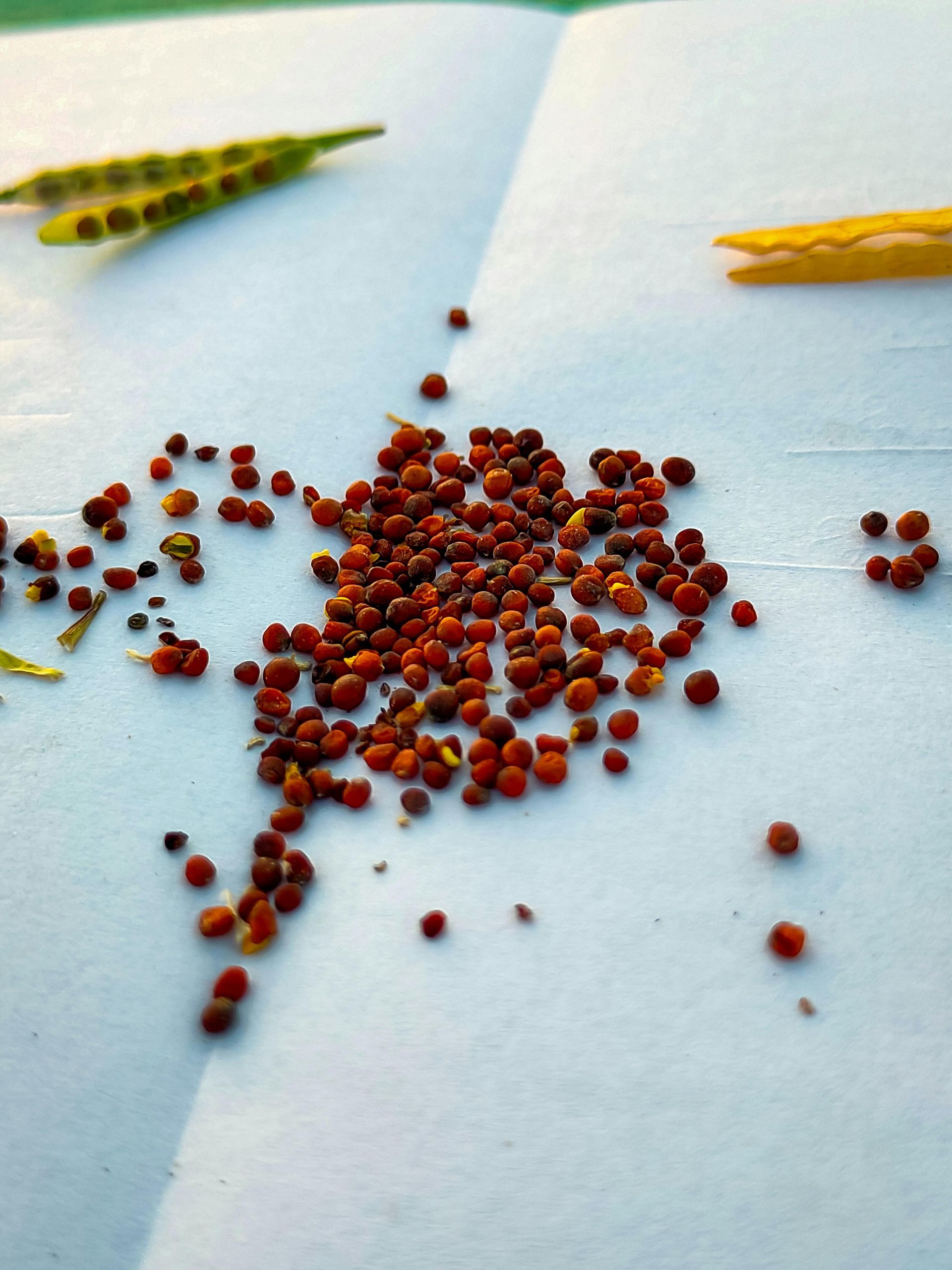
Jesus Himself used this imagery when He declared, "Except a corn of wheat fall into the ground and die, it abideth alone: but if it die, it bringeth forth much fruit" (John 12:24). He was speaking just after His triumphal entry into Jerusalem, at a moment when His death was imminent. The grain of wheat must die to produce a harvest. The Passover lamb must be slain so that death will pass over. And from that death comes resurrection—the first fruits of a great harvest.
The Apostle Paul understood this connection perfectly when he wrote about resurrection: "That which thou sowest is not quickened, except it die" (1 Corinthians 15:36). The body that dies is not the body that will be resurrected. When you plant an apple seed, you don't get one giant seed growing from the ground—you get an entirely new creation, a tree that bears fruit. Similarly, our mortal bodies are sown in corruption, but they will be raised in incorruption. They are sown in dishonor but raised in glory.
The Harvest Is Ready
One of the most striking aspects of the Feast of Weeks is its emphasis on timing. The celebration began when the sickle was put to the grain—when the harvest was ready. This wasn't a theoretical or future event; it was happening in real time. The fields were white unto harvest, and the laborers were called to gather it in.
Jesus used this same language when He looked at the crowds and declared, "The harvest truly is plenteous, but the labourers are few" (Matthew 9:37). He wasn't speaking primarily about wheat and barley—He was talking about souls. The spiritual harvest was ready, but there weren't enough workers willing to go into the fields and bring people into the kingdom.
This reality hasn't changed. Even in the cold December evenings, when the days grow short and depression seems to creep into homes and hearts, the harvest remains ready. There are still souls who need to hear about the resurrection. There are still people for whom Christ died who haven't yet experienced the freedom that comes from being part of the first fruits of His resurrection.
Coming With Open Hands
The Feast of Weeks required something specific from the people: they were not to come empty-handed. Three times a year, all the males of Israel were to appear before the Lord—at Passover, at the Feast of Weeks, and at the Feast of Tabernacles—and they were commanded to bring offerings according to how the Lord had blessed them.
But here's where the heart of God shines through: these were freewill offerings. The people were to give "as he is able, according to the blessing of the Lord thy God which he hath given thee" (Deuteronomy 16:17). This wasn't about meeting a quota or fulfilling a legal requirement. It was about responding to God's generosity with gratitude.
The New Testament echoes this principle beautifully: "Every man according as he purposeth in his heart, so let him give; not grudgingly, or of necessity: for God loveth a cheerful giver" (2 Corinthians 9:7). God doesn't need our finances. He owns the cattle on a thousand hills. What He desires is a heart that recognizes His blessings and responds with joy, not obligation.
Some can give more than ten percent without affecting their household budget. Others struggle to give anything while trying to meet basic needs. God isn't looking for a percentage—He's looking for a heart that says, "I'm grateful You've given me this, and I want to give something back to You."
Rejoicing Together
One of the most beautiful aspects of the Feast of Weeks was its communal nature. The celebration wasn't just for the wealthy landowners or the religious elite. The command was clear: "Thou shalt rejoice before the Lord thy God, thou, and thy son, and thy daughter, and thy manservant, and thy maidservant, and the Levite that is within thy gates, and the stranger, and the fatherless, and the widow" (Deuteronomy 16:11).
Everyone was invited to the feast. The harvest blessings were to be shared with those who had no land of their own—the Levites who served in the temple, the foreigners who lived among them, the orphans who had no inheritance, and the widows who had no provider. This was worship and community combined, a picture of what the family of God should look like.
When we read Acts 2, we see this same spirit alive in the early church after their Pentecost experience. They continued daily with one accord, breaking bread from house to house, eating their meals with gladness and singleness of heart, praising God and having favor with all the people. And the Lord added to the church daily those who were being saved.
The focus wasn't on miraculous signs for their own sake—it was on the harvest of souls and the unity of believers who recognized that everything they had came from God's hand.
Remembering Our Bondage
Perhaps the most sobering aspect of the Feast of Weeks was its call to remember: "And thou shalt remember that thou wast a bondman in Egypt" (Deuteronomy 16:12). While Passover reminded them of when God redeemed them, Pentecost reminded them of who they would be without God—slaves in a foreign land with no hope and no future.
This is where humility enters our rejoicing. When Paul listed the sins that characterize those who will not inherit the kingdom of God—fornicators, idolaters, adulterers, thieves, drunkards, extortioners—he added these powerful words: "And such were some of you: but ye are washed, but ye are sanctified, but ye are justified in the name of the Lord Jesus, and by the Spirit of our God" (1 Corinthians 6:11).
Such were some of you. That's the reminder we need. Without the Spirit of God, we would still be in bondage to sin. We would still be slaves to our flesh, with no harvest and no hope. But because of the resurrection—because Christ became the first fruits of those who sleep—we have been washed, sanctified, and justified.
The Ultimate Freewill Offering
So what is the freewill offering that God truly desires? Jesus made it clear: "If any man serve me, let him follow me: and where I am, there shall also my servant be: if any man serve me, him will my Father honour" (John 12:26).
He wants us. Not our money, not our talents, not our time—though all of those flow from a surrendered heart. He wants us to freely give ourselves to Him, to live our lives for His glory rather than our own comfort.
The harvest is ready. The Spirit has been given. The first fruits of resurrection life are available to all who believe. The question is: Will we respond with offerings of gratitude? Will we rejoice in His blessings with humility? Will we remember where we came from and live with purpose for where we're going?
The feast continues, and we're all invited to participate—not as slaves fulfilling obligations, but as children celebrating the abundant grace of a Father who has given us everything we need for life and godliness.
Share