When Familiarity Breeds Contempt
The Danger of Thinking We Know Jesus
Have you ever been so familiar with something that you stopped truly seeing it? Perhaps it's a piece of art in your home that you walk past daily without noticing, or a person whose presence you've taken for granted. This phenomenon of over-familiarity can be dangerous in many areas of life, but nowhere is it more perilous than in our relationship with Jesus Christ.
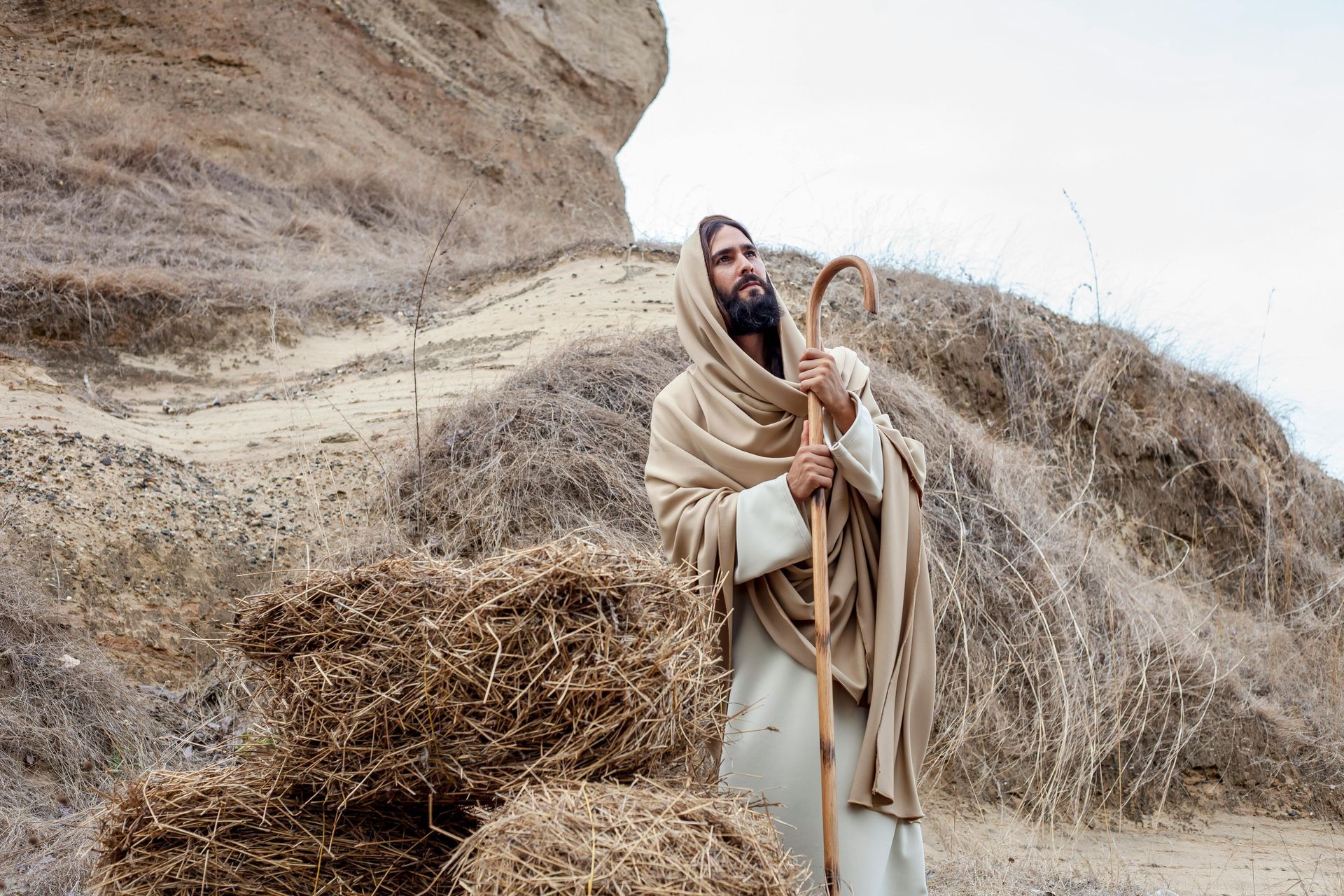
The Gospel of Mark presents us with a sobering account of Jesus returning to His hometown of Nazareth. The people there had watched Him grow up. They knew His family, His trade, His background. When He began teaching in the synagogue with wisdom and power that left many astonished, their response wasn't worship or belief—it was offense.
The Tragedy of Thinking We Know It All
"Is not this the carpenter, the son of Mary, the brother of James and Joses?" they asked. Their familiarity with Jesus' earthly circumstances blinded them to His heavenly identity. They saw the carpenter but missed the Creator. They recognized Mary's son but failed to acknowledge God's only begotten Son.
This reckless over-familiarity led to a devastating outcome: "And he could there do no mighty work, save that he laid his hands upon a few sick folk, and healed them. And he marveled because of their unbelief."
Think about that for a moment. The Son of God, who spoke worlds into existence, who calmed storms with a word, who raised the dead—this same Jesus was limited in what He could do in His hometown because of their unbelief. Not because He lacked power, but because their hearts were closed by presumption.
What We Think We Know Can Hurt Us
The people of Nazareth made several critical errors in their assessment of Jesus:
They were obstinate about His work. They saw Him as merely a carpenter, unable to comprehend that His true work was to accomplish the will of the Father—to seek and save the lost, to create disciples who would carry His message to the ends of the earth. In John 4:34, Jesus declared, "My meat is to do the will of him that sent me, and to finish his work."
They were obstinate about His family. Yes, Jesus had earthly siblings and was born of Mary. But He also redefined family in spiritual terms: "My mother and my brethren are these which hear the word of God and do it" (Luke 8:21). Physical relationships pale in comparison to spiritual kinship.
They were obstinate in their understanding. They couldn't reconcile the Jesus they thought they knew with the Jesus who stood before them teaching with authority and performing miracles. Their preconceptions became prison bars that kept them from experiencing the freedom and power of the Messiah.
This obstinance led them to be offended at Jesus—to stumble over the very rock that was meant to be their foundation.
The Things That Make Jesus Marvel
In all of Scripture, we find only two instances where Jesus marveled. The first, as we've seen, was at the unbelief of those in His hometown. The second presents a stark contrast.
In Matthew 8, a Roman centurion approached Jesus about his sick servant. When Jesus offered to come to his house, the centurion replied with words that have echoed through the centuries: "Lord, I am not worthy that thou shouldest come under my roof: but speak the word only, and my servant shall be healed."
This Gentile soldier understood something the religious Jews had missed. He recognized Jesus' absolute authority. He believed that a mere word from Christ could accomplish what seemed impossible. And Jesus' response? "When Jesus heard it, he marveled, and said to them that followed, Verily I say unto you, I have not found so great faith, no, not in Israel."
The centurion's servant was healed that very hour.
The Question That Demands an Answer
So here's the penetrating question we must each ask ourselves: Does Jesus marvel at our faith or our unbelief?
Do we approach God with the confidence that He can speak and mountains will move? Or do we hesitate, doubting His goodness, questioning His plan, afraid to fully trust Him with our lives?
It's easy to affirm that "God is in control" when life is comfortable. But when the unexpected happens, when our plans are interrupted, when circumstances don't align with our desires—that's when our true faith is revealed. Do we trust His guidance even when we don't understand His ways?
Luke 16:15 offers a sobering reality check: "That which is highly esteemed among men is abomination in the sight of God." We spend so much energy justifying ourselves before other people, seeking their approval, trying to maintain our reputation. But God knows our hearts. The question isn't whether others think well of us, but whether our faith pleases Him.
The Cost of Unbelief
In Matthew 17, even Jesus' own disciples found themselves unable to cast out a demon. When they asked why, Jesus gave a simple but profound answer: "Because of your unbelief." He went on to say that faith the size of a mustard seed could move mountains and make nothing impossible.
Unbelief doesn't just limit what God will do—it limits what He can do through us. Not because He lacks power, but because faith is the channel through which His power flows into human circumstances.
The people of Nazareth missed their moment. They had the incarnate Son of God in their midst, and they let familiarity breed contempt. They thought they knew Him, but they didn't know Him at all.
A Faith Worth Marveling At
True faith isn't blind optimism or wishful thinking. It's trust rooted in the character of God. It's believing that the same God who said "Let there be light" and light appeared is still speaking today. It's confidence that He who began a good work will complete it.
This kind of faith doesn't mean we won't face questions or struggles. Job, in the midst of devastating loss, cried out, "Though he slay me, yet will I trust in him." That's marvelous faith—trust that persists even when circumstances scream that God has abandoned us.
The centurion had this kind of faith. He didn't demand to understand how Jesus would heal his servant. He simply believed it would be done.
Where Do We Go From Here?
Perhaps you've realized that your faith has been lacking. Maybe you've been approaching God with hesitation, afraid He'll say no, uncertain of His goodness, limited by your own understanding of who He is.
The beautiful truth is that faith can grow. The more we know God—truly know Him through His Word and through experience—the more we learn to trust Him. Today's trust builds tomorrow's faith.
God isn't calling us to have everything figured out. He's calling us to trust Him with the things we don't understand. He's inviting us to move beyond surface-level familiarity into deep, transformative relationship.
The people of Nazareth missed their opportunity because they thought they already knew everything about Jesus. Don't make the same mistake. There are depths to Christ that we'll spend eternity exploring. There is power available that we've barely begun to tap.
The question remains: Will Jesus marvel at your faith, or will He marvel at your unbelief?
The answer to that question will determine not only what God does in your life, but what He does through your life for His glory.
Share